
Let me tell you what happens when a product becomes a cult favorite. Everyone starts writing the same review. They say it is lightweight, it absorbs fast, their skin feels plump, they love it. What they do not say is what happens in dry winter air, what the jar packaging is slowly doing to your investment, or why some women with legitimately dry skin quit this product inside two weeks feeling frustrated and let down. I have been writing about skincare long enough to know that the most useful review is the one that covers the things nobody mentions. This is that review for Neutrogena Hydro Boost Gel Cream.
I want to be clear upfront: this is a genuinely good product. Neutrogena Hydro Boost Gel Cream earned its reputation honestly and I still have it on my bathroom counter. But good products can still disappoint you if you go in with wrong expectations. By the end of this, you will know exactly whether this moisturizer is right for your skin and your life, or whether you should be looking at something else entirely.
The Quick Verdict
A clean, effective hyaluronic acid moisturizer that delivers real hydration for combination and normal-to-dry skin. Overpromises on the 48-hour claim and the jar packaging is a genuine downside that the cult following tends to shrug off. Still worth buying for the right skin type.
Amazon Check Today's Price →If your skin is tight by mid-morning and every heavy cream just breaks you out, this is where most women land.
Neutrogena Hydro Boost Gel Cream is fragrance-free, non-comedogenic, and built around hyaluronic acid, the one hydration ingredient that actually delivers. Check today's price on Amazon before you decide.
Amazon Check Today's Price on Amazon →How I Approached This Review (And Why It Differs From Most)
Most reviews of this product were written by people who loved it immediately and wanted to tell you about it. I came in as a skeptic. I have sensitive, combination-leaning dry skin and a low tolerance for products that work beautifully in September and fall apart in January. I used the gel cream for six weeks across two different weather conditions, paid close attention to packaging behavior, tested it under SPF and without, and deliberately sought out the failure cases.
I am Nora Vance and I have been writing about skincare for over a decade. I have no relationship with Neutrogena, no sample was provided, and nobody approved this review before it went up. I bought the jar myself at a drugstore, which is exactly how most of you will get it.
I also want to note: I paid attention to ingredient behavior, not just feel. A product can feel incredible and still be doing less than it appears to. The reverse is also true. I will explain both as they apply here.
The Hyaluronic Acid Reality Check
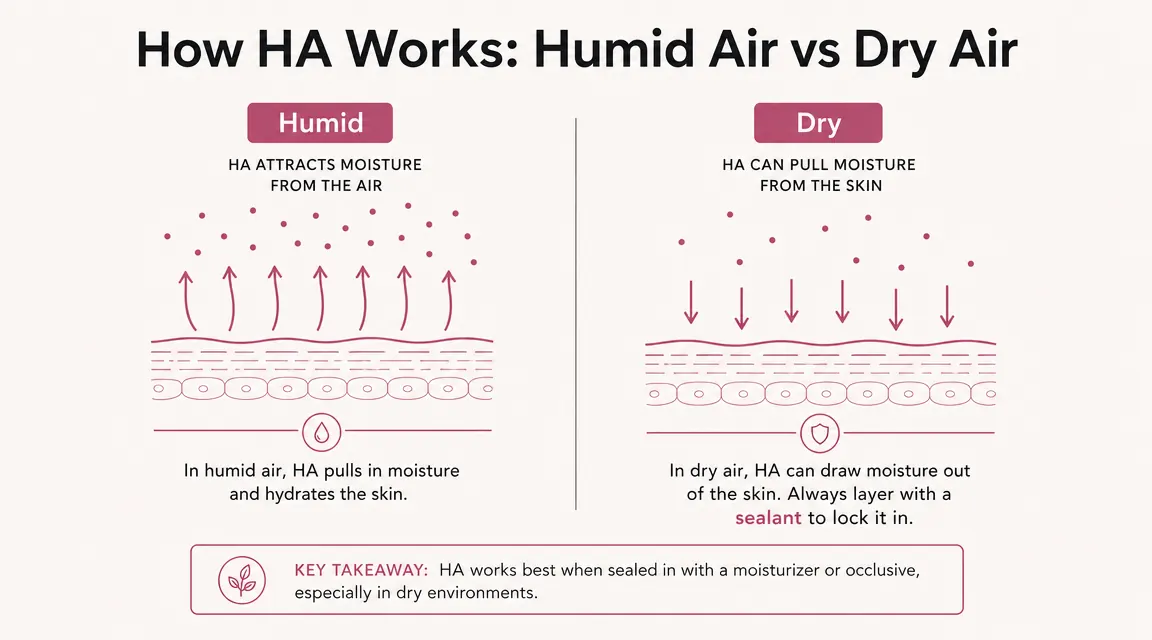
Hyaluronic acid is genuinely one of the best hydrating ingredients available at any price point. It is a humectant, which means it draws moisture toward itself. In a humid environment or on well-hydrated skin, it pulls water from the surrounding air and from deeper skin layers up toward the surface. That is the mechanism behind the dewy, plump look that devotees of this product describe.
Here is what nobody puts in the review: in low humidity, hyaluronic acid behaves differently. When there is no moisture in the air to pull from, it will draw water upward from the deeper layers of your skin to the surface, and then that surface water evaporates. You can end up more dehydrated than when you started. This is not a problem in spring and summer in most climates. It is a real problem in heated indoor air during January and February.
The fix is simple. In dry conditions, apply a thin layer of something occlusive on top to seal the moisture in. A plain petroleum jelly lip balm on your cheeks at night, or even a heavier cream layered over the Hydro Boost in your driest spots. The gel cream is a humectant, not an occlusive, and in winter you sometimes need both. Once I understood that and adjusted, the product performed beautifully year-round. But that is context you need going in.
The Jar Packaging Problem Nobody Wants to Talk About
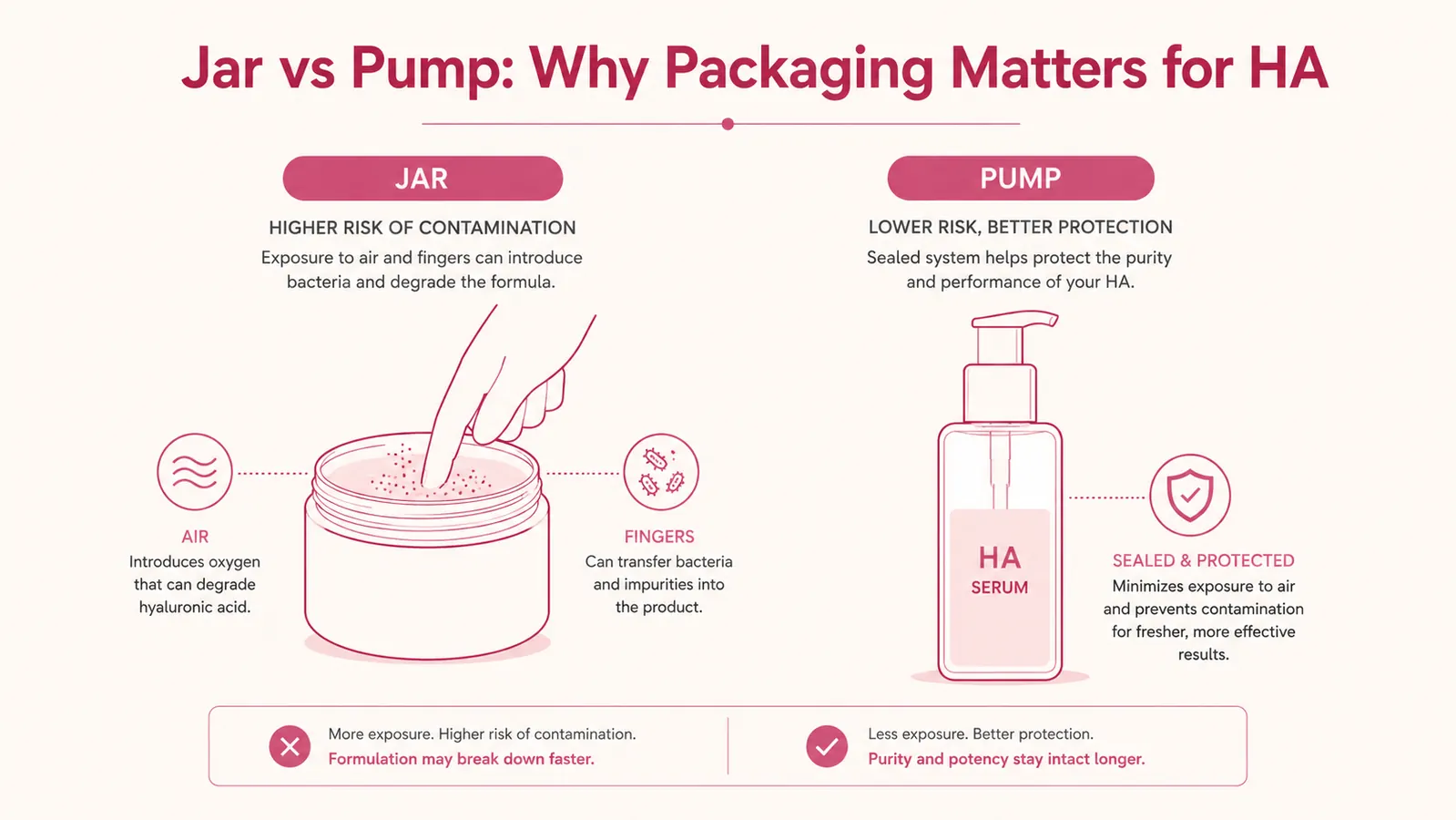
The packaging on Hydro Boost is a teal jar with a screw-top lid. It looks appealing on a bathroom counter and the wide opening makes it easy to scoop product. It is also one of the less ideal packaging choices for a hyaluronic acid product, and I want to explain why without being dramatic about it.
Hyaluronic acid degrades when exposed to air repeatedly over time. Every time you open that jar, dip your finger in, and screw the lid back on, you introduce oxygen and potential bacteria. A pump or tube format protects the formula from that repeated exposure. Neutrogena makes a pump dispenser version of the Hydro Boost Water Gel in addition to the jar, and if you are using this product twice daily for months, the pump is the smarter long-term buy. The jar version is fine for a few months of use, but if you are the kind of person who uses a moisturizer for six months or more, think about the pump.
I used the jar version for this review and noticed no obvious degradation over six weeks. But I also used a small spatula rather than my fingers after the first week, which reduces contamination. It is a small thing, but if you are spending money on a product with an active ingredient, why degrade it unnecessarily.
Every time you open the jar and dip a finger in, you introduce oxygen and bacteria. A pump costs the same. Use the pump if you plan to use this product long-term.
What the Formula Actually Contains (And What It Does Not)
Hydro Boost Gel Cream is built around hyaluronic acid as a humectant, dimethicone as a slip agent and mild sealant, and a polymer network that gives the gel its structure. It is fragrance-free, which I have already said I consider a positive. The base is mostly water with glycerin, which is another humectant that complements the HA.
What is not in this formula: retinol, peptides, niacinamide, antioxidants, or any vitamin C. It is a pure hydration product. If you are buying it expecting anti-aging benefits, you are buying the wrong thing. It is not marketed for anti-aging purposes, but the brand's overall positioning around plumping and dewiness has led some women to expect more from it than hydration. Hydrated skin does look younger. But the product itself is not doing any active work on wrinkles, collagen, or dark spots.
That is not a criticism. A moisturizer that does one thing extremely well is more valuable than a moisturizer that promises ten things and delivers three mediocrely. But you should know what you are getting. If anti-aging actives matter to you, add a separate serum and use Hydro Boost as your hydration layer on top.

Sensitive Skin, Breakout Risk, and the Non-Comedogenic Question
Neutrogena labels Hydro Boost as non-comedogenic, meaning it has been tested and found not to clog pores. That is a real test, not just marketing copy, and for most skin types the product lives up to it. I did not break out during six weeks of use, and I have combination skin that will react to heavier, oil-based creams.
That said, non-comedogenic does not mean clog-proof for every person. Skincare is notoriously individual, and a small percentage of people do report breakouts with Hydro Boost, particularly around the nose and chin. The dimethicone in the formula is the most likely culprit when that happens. If you are acne-prone and have had breakouts from silicone-containing products in the past, patch-test this on your jaw for a week before putting it all over your face.
For everyone else, including women with rosacea-prone or reactive skin, this is a gentle product. No fragrance, no essential oils, no known sensitizers in the formula. In six weeks I had zero redness, zero irritation, and no stinging even on days when my skin barrier was compromised from windburn.
The Honest Case for Buying It
Here is where I land after six weeks and a close reading of the formula. If you have combination or normal-to-dry skin, want a lightweight morning moisturizer that plays well under SPF and makeup, and prefer fragrance-free products, Hydro Boost Gel Cream is one of the best buys at this price point. It is a genuinely clean formula with an ingredient that works, sold by a brand that has enough production scale to keep the price accessible.
You are not paying for a fancy jar or a celebrity name on the front. You are paying for hyaluronic acid in a stable, well-formulated base, and that is what you get. If you want to dig deeper into the science of hyaluronic acid moisturizers, my article on 10 reasons HA moisturizers matter for mature skin covers the research in plain language. And if you are deciding between this and CeraVe, my Neutrogena Hydro Boost vs CeraVe Moisturizing Cream comparison walks through every difference side by side.
What I Liked
- Fragrance-free and genuinely gentle on reactive or sensitive skin
- Hyaluronic acid formula is well-researched and effective for consistent hydration
- Absorbs without residue and does not pill under SPF or liquid foundation
- Non-comedogenic and suitable for combination skin that struggles with heavier creams
- Accessible price for a clean, single-ingredient-focused formula
- Widely available at drugstores and online, easy to repurchase
Where It Falls Short
- Jar packaging exposes HA formula to air and bacteria with every use
- Performs less reliably in very low humidity without an occlusive layered on top
- No actives, so women expecting anti-aging results alongside hydration will need a separate serum
- Small percentage of acne-prone users report breakouts from the dimethicone
- The 48-hour hydration claim overstates what a single application does
- Gel texture can feel insufficient for women with very dry or dehydrated skin in cold weather
Who This Is For
Neutrogena Hydro Boost Gel Cream is the right call for women who need a lightweight, no-nonsense daily moisturizer for combination or normal-to-dry skin. It is particularly well-suited to women who wear foundation and need a base that disappears without interfering with makeup. If you live in a humid or temperate climate, you will get the most out of it year-round. If you live somewhere dry, pair it with an occlusive in the colder months and it still performs well. It is also an excellent choice for anyone who is fragrance-sensitive or has been burned by essential-oil-heavy products in the past.
Who Should Skip It
If your skin is genuinely dehydrated, meaning it feels tight and uncomfortable even after moisturizing, a gel cream alone will not solve the problem. You need a richer formula, or this product layered under something occlusive, not as a standalone solution. If you are also hoping to get active anti-aging work done by your moisturizer, look at something that includes peptides or retinol alongside the hyaluronic acid. And if you have had silicone sensitivity or clogged pores from dimethicone before, patch-test carefully before committing to a full-face routine.
It is not magic. It is a well-built hyaluronic acid moisturizer at a fair price. That is exactly what most of us actually need.
Neutrogena Hydro Boost Gel Cream is fragrance-free, non-comedogenic, and widely available. Check today's price on Amazon and see if it is the straightforward hydration fix your routine has been missing.
Amazon Check Today's Price on Amazon →